
Snake plants, also known as Sansevieria, are among the most popular indoor plants, cherished for their striking, sculptural leaves and ease of care.
While they are known for their hardiness and air-purifying qualities, flowering in snake plants is a rare and delightful phenomenon.
Achieving blooms requires specific conditions, and this guide will help you unlock the secrets to possibly witnessing this unique event in your own plant.
Insights into Flowering of Snake Plants
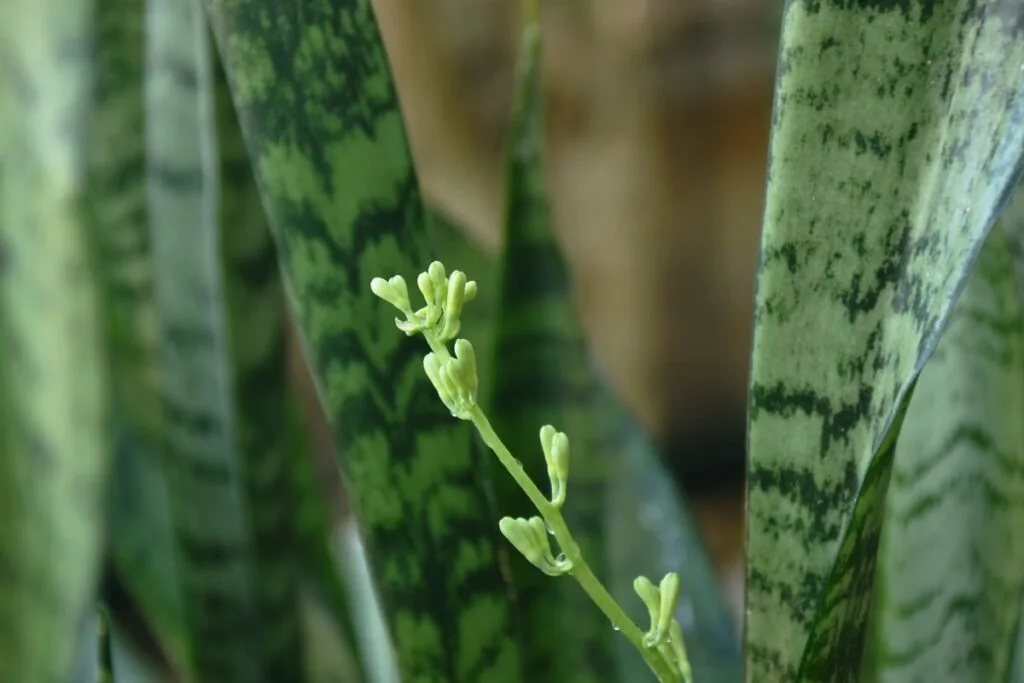
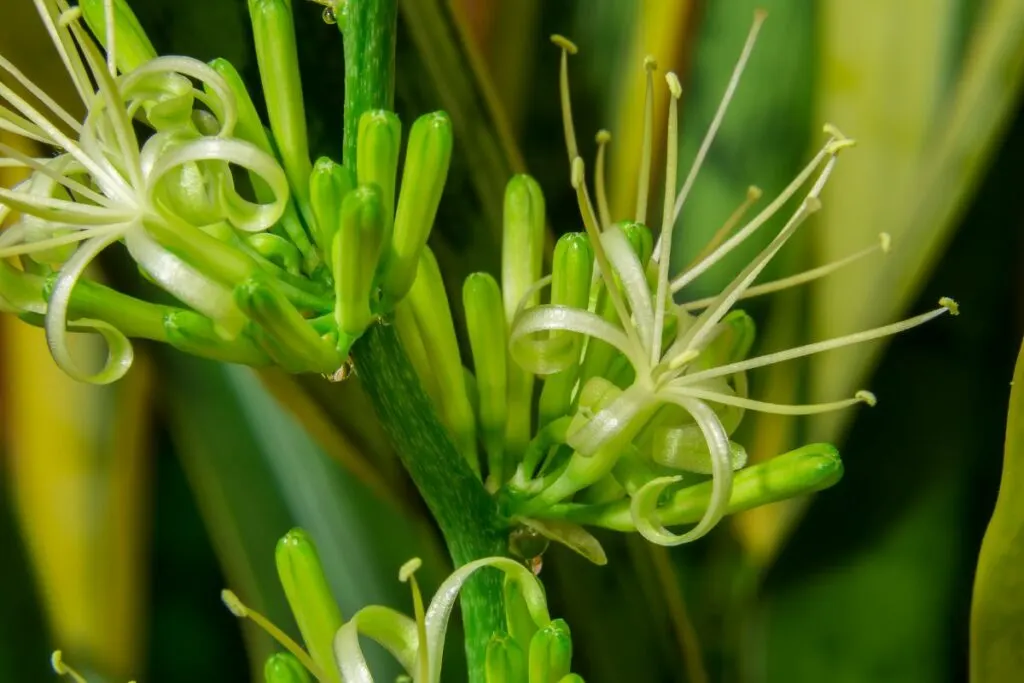
Flowers of the snake plant are typically delicate, creamy-white, and exude a sweet, sometimes overpowering fragrance.
These blooms often appear unexpectedly, typically during the night, and can add an enchanting aspect to your indoor garden.
However, flowering is infrequent and influenced by several factors including plant maturity, environmental conditions, and the care provided. Understanding these factors is key to encouraging your snake plant to flower.

Optimal Growing Conditions for Flowering
Light Requirements
Light plays a crucial role in the health of snake plants, including their ability to flower. These plants prefer bright, indirect light but can tolerate some direct sunlight and low light conditions.
However, for flowering, more light is generally beneficial. Place your snake plant near a window where it can receive ample light without being scorched by direct sunlight, especially during the hot afternoon hours.
Watering Practices
Watering practices also significantly impact the possibility of flowering in snake plants. They thrive on minimal water, making overwatering one of the common mistakes to avoid.
To promote health and potential flowering, allow the soil to dry completely between waterings. During the winter months, reduce watering further to mimic the plant’s natural dormant period, which can also encourage blooming.
Temperature and Humidity
Snake plants prefer warmer temperatures and do well in typical household environments. However, they benefit from a slight drop in temperature during the night, which can mimic their natural habitat conditions.
While they are not particularly fussy about humidity, maintaining moderate humidity can help keep the leaves healthy and stress-free, indirectly supporting the flowering process.
Nutritional Needs for Flowering
The right soil and nutrients can make a significant difference in whether your snake plant will flower. Use a well-draining potting mix designed for cacti or succulents, as this will prevent water retention and root rot. The soil should be slightly acidic to neutral.
While snake plants do not require much fertilization, incorporating a balanced, water-soluble fertilizer during the growing season can provide them with nutrients needed for overall health and potentially aid in flowering. However, avoid over-fertilizing, as excessive nutrients can harm the plant and inhibit blooming.
Advanced Care Techniques
While basic care covers light, water, and nutrition, sometimes snake plants need a little extra encouragement to bloom.
One advanced technique is stress induction. By slightly altering the plant’s environment in a controlled manner, you can mimic the natural stressors that often lead to flowering.
For example, keeping the plant root-bound rather than repotting into a larger container can induce stress.
Snake plants often flower when they feel “crowded” in their pots, as this signals a mature and potentially reproductive stage of their lifecycle.
Another method involves adjusting watering schedules. During the plant’s growing season, slightly under-watering (while never letting the plant completely dry out) can mimic the dry conditions often found in their native environments, which might trigger blooming. It’s crucial, however, to monitor the plant closely to avoid severe dehydration.
Seasonal Adjustments
Seasonal changes naturally affect snake plants and can be used to your advantage. In their native habitat, snake plants experience a range of temperatures throughout the year, which can stimulate flowering.
During the cooler months, reducing the temperature in your home slightly, especially at night, can mimic these conditions. This temperature drop can signal to the plant that it’s time to reproduce.
Furthermore, consider reducing the frequency of watering in the winter months to simulate the dry season.
This, combined with a cooler environment, can sometimes trigger the plant to flower in an effort to reproduce after what it perceives as a challenging season.
Common Issues and Troubleshooting
Even with the best care, snake plants might face issues that prevent them from flowering. One common problem is pest infestation, such as spider mites or mealybugs, which can stress the plant and divert energy away from flowering.

Regularly inspect your plant for signs of pests and treat infestations promptly with appropriate insecticides or natural remedies like neem oil.
Another issue could be disease, often caused by overwatering and poor drainage, leading to root rot. Ensure your plant’s soil is well-draining and that pots have adequate drainage holes.
If you suspect root rot, you may need to repot the plant into fresh, dry soil and remove any rotten roots.
When to Expect Flowers
Flowering in snake plants is not guaranteed, but with the right care, you might see blooms. Typically, if a snake plant decides to flower, it will do so sporadically and often without clear cause.
However, if you maintain optimal care and follow the tips provided, you might increase your chances of seeing this rare event.
While getting your snake plant to flower can be a challenging and unpredictable endeavor, it is also a rewarding one.
By understanding and implementing the care techniques discussed, you provide your plant with the best possible conditions to not only thrive but also potentially bloom. Remember, patience and consistent care are key—the rewards, though rare, are often worth the wait.