
Composting is an eco-friendly way to recycle kitchen scraps and yard waste, turning them into nutrient-rich soil that can benefit your garden.
However, the process can sometimes be slow. To expedite this natural process, gardeners often turn to compost boosters.
These additions help break down organic material more quickly, enriching the compost and making it ready for use sooner.
In this article, we’ll explore eight effective compost boosters and provide tips on how to integrate them into your compost pile effectively.
1. Coffee Grounds
Coffee grounds are a favorite among gardeners looking to enhance their compost with nitrogen, which is essential for compost bacteria to thrive and break down organic materials.
You can collect coffee grounds from your daily coffee brewing or ask for them at local coffee shops, many of which offer them for free.
When adding coffee grounds to your compost, mix them in with the brown materials like dried leaves or straw to maintain a balanced carbon-to-nitrogen ratio. This will avoid creating an overly dense pile that slows decomposition.
2. Crushed Eggshells
Eggshells are an excellent source of calcium, which is crucial for plant cell growth. They also help to aerate the compost and balance pH levels.

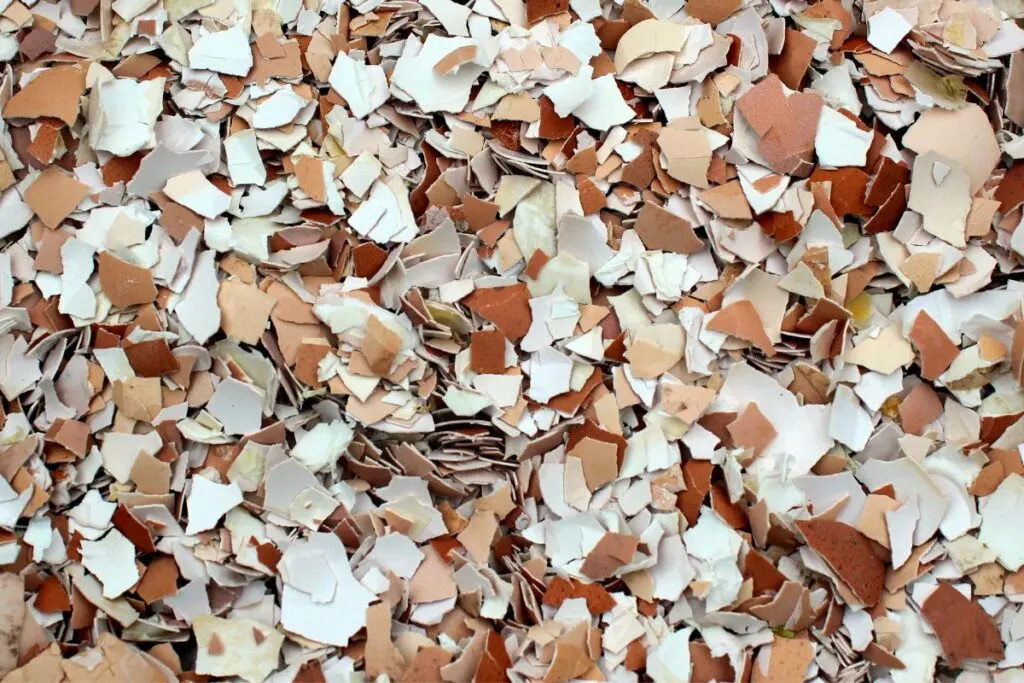
Before adding eggshells to your compost, rinse them to remove any egg residue and crush them into smaller pieces. This helps them break down faster and more evenly.
Sprinkle the crushed shells throughout your compost pile; they’ll slowly release nutrients as they decompose, benefiting the overall health of your compost.
3. Banana Peels
Banana peels are rich in potassium, phosphorus, and calcium, making them valuable for composting. However, they can also attract pests if not handled properly.
To use banana peels in your compost, chop them into small pieces to speed up decomposition and bury them deep within your compost pile to discourage animals and insects from scavenging.
As they decompose, banana peels release nutrients that are essential for plant growth, enriching your compost with minerals that will support healthy plant development.
4. Grass Clippings
Grass clippings are another potent green material, adding necessary moisture and nitrogen to your compost pile.
When using grass clippings, it’s important to layer them thinly or mix them with brown compost material such as leaves or shredded paper to prevent matting.
This matting can create an anaerobic environment in the compost pile, slowing down the decomposition process and causing unpleasant odors.
Properly managed, grass clippings decompose quickly and add valuable organic matter to the compost.
5. Seaweed or Kelp
Seaweed and kelp are treasures for the compost pile, bringing a broad spectrum of trace minerals and hormones that can enhance plant growth.
These ocean-derived materials are especially rich in iodine and potassium, which help plants develop strong root systems and increase resistance to pests and diseases.
To use seaweed or kelp in your compost, rinse it thoroughly to remove salt, then chop or tear it into smaller pieces before adding it to your pile.
This not only speeds up decomposition but also ensures that the nutrients are evenly distributed within your compost.
6. Manure (Cow, Horse, Chicken, or Goat)
Animal manure is a traditional compost booster, known for its high nitrogen content and ability to heat up compost piles, accelerating the decomposition process.
Cow, horse, chicken, and goat manures are among the most commonly used. It’s crucial to use only well-aged or composted manure to avoid introducing pathogens into your compost.
Mix manure into your compost pile in moderation to avoid overheating, which can kill beneficial microbes essential to the composting process.
7. Wood Ash
Wood ash can be a fantastic addition to your compost, providing potassium and lime that help regulate the pH level of the soil.
However, it should be used sparingly and only if you know that your soil’s pH and your compost need adjusting, as too much ash can lead to excessively alkaline conditions that inhibit decomposition.
Sprinkle a small amount of wood ash over each layer of your compost to enrich it without disrupting the natural breakdown process.
8. Comfrey Leaves
Comfrey leaves are highly regarded in organic gardening circles for their high concentrations of nitrogen, phosphorus, and potassium. Comfrey works as a natural ‘activator,’ speeding up the breakdown of organic matter.
To utilize comfrey leaves in your compost, chop them up to encourage faster decomposition and mix them thoroughly into your pile.

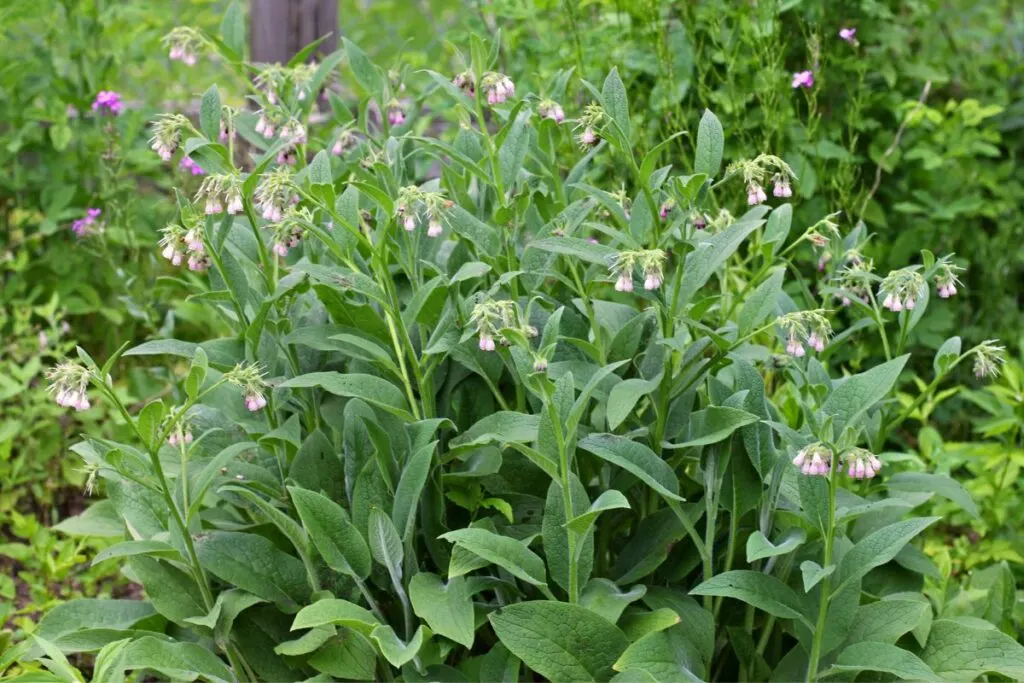
Comfrey also has the added benefit of being easy to grow and harvest, making it a sustainable choice for continuous compost boosting.
Additional Tips for Managing Your Compost Pile
Turning the Pile
Regularly turning your compost pile helps to aerate it, providing oxygen that is vital for the composting process. Aim to turn your pile every four to six weeks.
Moisture and Aeration
Your compost should have the consistency of a wrung-out sponge. If it’s too dry, microbial activity slows down; if it’s too wet, it can become anaerobic. Balancing moisture and aeration is key to a successful compost.
Temperature Monitoring
Keep an eye on the temperature of your compost pile. A healthy pile should heat up to between 130°F and 160°F. High temperatures indicate active decomposition but monitor to ensure the pile does not overheat.
Using compost boosters is an effective way to enhance the nutrient profile of your compost and speed up the decomposition process.
By integrating materials like coffee grounds, crushed eggshells, banana peels, and grass clippings, along with more specialized additions like seaweed, manure, wood ash, and comfrey leaves, you can create a richer, more productive compost mix.